


Supported Independent Living Sydney – Real Support for Everyday Independence
Finding the right Supported Independent Living Sydney option isn’t just about accommodation — it’s about creating a space where life feels manageable, safe, and genuinely your own.
At Pillars of Care, we work with individuals and families across Sydney to build living arrangements that support independence without removing choice or control. Whether you’re navigating daily routines, building confidence, or transitioning into a new home environment, our approach is practical, flexible, and centred around real life — not just plans on paper.
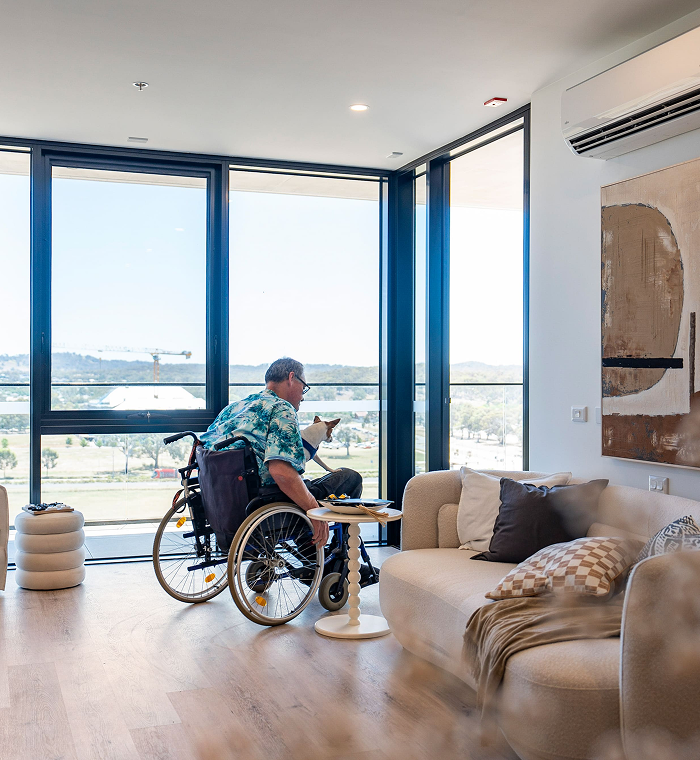
What Supported Independent Living Actually Looks Like
Supported Independent Living (SIL) is often misunderstood as just shared housing with support staff. In reality, it’s much more personal than that.
It can mean:
- Having someone there in the morning to help you start your day with less stress
- Learning how to manage meals, budgeting, or household tasks at your own pace
- Feeling safe knowing support is available overnight if needed
- Building routines that make everyday life feel more predictable and less overwhelming
For some people, SIL is about gaining independence for the first time. For others, it’s about maintaining stability after a big life change.
As an experienced NDIS SIL provider Sydney, we tailor support to fit how you want to live — not the other way around.

Who This Support Is Designed For
SIL is suited for NDIS participants who need regular support at home, but still want to live as independently as possible.
We often support people who:
- Live with intellectual, physical, or psychosocial disabilities
- Feel overwhelmed managing daily tasks alone
- Are transitioning out of family care or hospital settings
- Want to build confidence in social or life skills
- Need consistent, structured support to maintain wellbeing
For example, someone in Western Sydney might want to move out of their family home but feel unsure about cooking, managing appointments, or staying on top of medications. SIL provides that bridge — not rushing independence, but building it steadily.
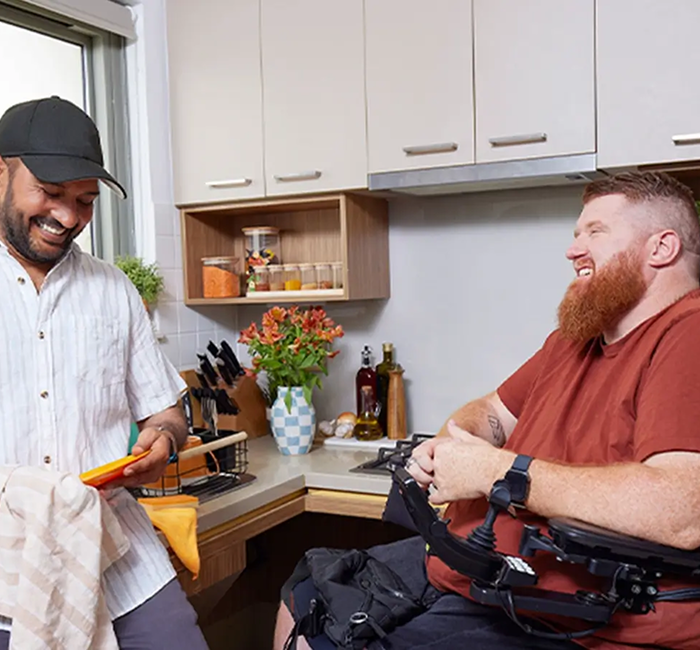
How SIL Support Works Day to Day
There’s no single routine that fits everyone — and that’s exactly the point.
Your day might include:
- Morning support (getting ready, personal care, breakfast)
- Help with household tasks like cleaning or laundry
- Support attending appointments or community activities
- Assistance with shopping, cooking, or budgeting
- Evening routines and overnight support if required
Some participants want hands-on help. Others prefer guidance while doing things themselves. We adjust to your level of independence — and evolve as your confidence grows.
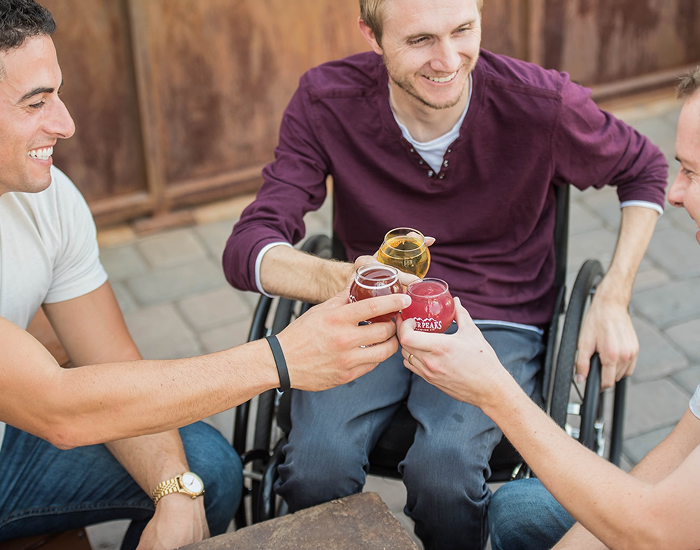
Living Options Across Sydney
We provide SIL Sydney support across a range of living arrangements, including:
- Shared homes with compatible housemates
- Individual living with tailored support
- Transitional housing for those building independence
Our team supports participants throughout Greater Sydney, including areas like Parramatta, Blacktown, Liverpool, and surrounding suburbs.
But location isn’t just about convenience — it’s about connection. Being close to family, community, transport, or familiar places often plays a big role in long-term success.
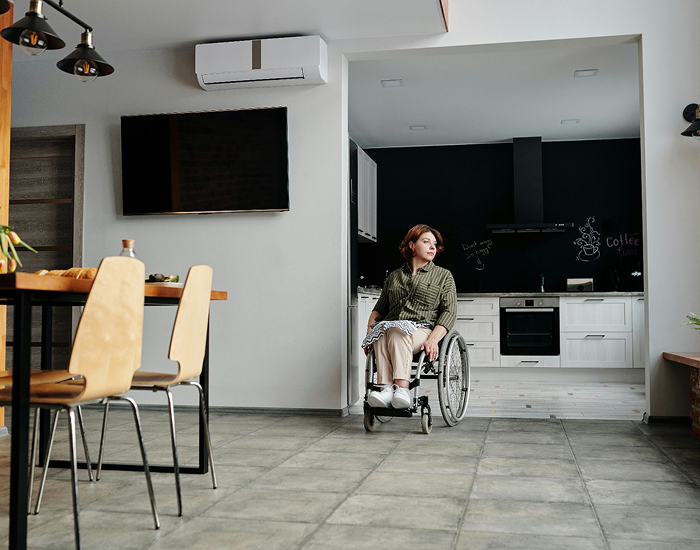
The Difference You Can Feel
The real impact of Supported Independent Living isn’t measured in checklists — it shows up in everyday moments.
Participants often experience:
- Less anxiety around daily routines
- Improved confidence in making decisions
- Better social connection and reduced isolation
- A stronger sense of ownership over their life
- Stability that supports long-term wellbeing
One participant we supported in Liverpool initially needed full assistance with daily tasks. Over time, they began preparing their own meals and managing parts of their schedule independently. That shift didn’t happen overnight — it came from consistent, patient support.

Why Families Choose Pillars of Care
Choosing a NDIS SIL provider Sydney can feel overwhelming. What matters most is finding a team that genuinely listens and adapts.
At Pillars of Care, we focus on:
- Consistency – familiar support workers who understand routines and preferences
- Flexibility – support that adjusts as needs change
- Clear communication – families and participants are always kept in the loop
- Practical support – we focus on what actually helps day-to-day life run smoother
We don’t overcomplicate things. We show up, we listen, and we support in ways that make a real difference.

Getting Started with SIL
Starting Supported Independent Living usually involves a few key steps:
At Pillars of Care, we focus on:
- Understanding your current situation and goals
- Reviewing your NDIS plan and SIL eligibility
- Exploring suitable housing options
- Matching you with the right support team
- Gradually transitioning into your new living setup
We guide you through each step, without rushing the process. Moving into SIL is a big decision — it should feel right, not pressured.
Frequently Asked Questions
SIL is specifically designed for people who need ongoing, daily support at home. It focuses on living arrangements and routine-based assistance, rather than occasional or community-only support.
Yes. Compatibility matters. We take time to understand preferences, routines, and personalities before suggesting shared living options.
SIL funding is included under the Core Supports budget in your NDIS plan, but it usually requires a formal assessment and approval process.
Support can be adjusted. Whether you need more independence or additional help, your plan and services can evolve with you.
Absolutely. We encourage ongoing communication with families and carers, while still respecting the participant’s independence.
Yes, we support participants across Western Sydney, including Parramatta, Blacktown, and nearby suburbs.
Let’s Talk About What’s Possible
If you’re exploring Supported Independent Living Sydney options and want to understand what would actually work in your situation, we’re here to have that conversation.
No pressure, no complicated language — just a clear discussion about what support could look like for you or your loved one.


