


NDIS Community Participation Sydney – Support That Moves You Into the World, Not Around It
Not everyone finds it easy to step into the community—and for many NDIS participants, it’s not a lack of interest, but a lack of the right support.
Our NDIS Community Participation Sydney service is designed for those moments where something simple feels difficult. Catching a train. Walking into a group setting. Starting a conversation. Knowing what to say, or when.
At Pillars of Care, we don’t treat community access as an “activity.” We treat it as a process—one that builds familiarity, reduces hesitation, and slowly turns uncertainty into confidence.
When Being “Out There” Doesn’t Feel Natural
There’s a common assumption that getting involved in the community is just about opportunity. But for many people, the barrier isn’t access—it’s comfort.
You might have someone who wants to join a local class but freezes at the entrance. Or someone who enjoys being around others but doesn’t know how to engage once they’re there.
This is where Community Participation Sydney support becomes meaningful. Not by pushing participation, but by making it feel safe enough to try.

It’s Not About Activities — It’s About Situations
We don’t start with a schedule. We start with situations.
Instead of saying “let’s join a group,” we might begin with:
- Sitting in a café during a quiet hour, getting used to the environment
- Visiting the same local shop each week until it feels familiar
- Walking through a community space without the expectation to interact
Over time, those situations evolve.
A participant who once avoided interaction might begin by making eye contact. Then placing an order. Then asking a question. That progression matters more than the activity itself.
This is how our Social and Community Participation Sydney approach differs—it’s built around behaviour, not just attendance.

Who This Support Often Helps Most
While anyone can benefit from community access, we frequently support people who:
- Feel overwhelmed in unpredictable environments
- Avoid social settings due to past experiences
- Want to be more independent but don’t know where to start
- Have difficulty interpreting social cues
- Prefer structured, gradual exposure rather than group-based programs
For example, someone in Parramatta might want to attend a weekly class but struggles with the noise and unpredictability. Instead of forcing attendance, we work on preparing for that environment—step by step—until it feels manageable.
What Progress Actually Looks Like
Progress in community participation doesn’t always look obvious at first.
It might be:
- Staying in a public place for longer than usual
- Responding to a question instead of avoiding it
- Choosing to return to a place that once felt uncomfortable
- Initiating a small interaction without prompting
These are the shifts that build long-term independence.
One participant we supported in Blacktown initially needed constant reassurance just to leave home. Over time, they began planning their own outings and now travel to familiar places with minimal support.
That change didn’t come from structured activities—it came from repeated, supported exposure to real environments.

How We Support Without Taking Over
There’s a fine line between helping and overstepping.
Our role is to stay present without becoming the focus. That means:
- Giving participants space to attempt interactions
- Stepping in only when needed, not by default
- Adjusting support based on the situation, not a fixed plan
- Respecting when someone needs to pause or step back
This approach is especially important for participants working toward independence in busy areas like Liverpool or across Western Sydney, where environments can change quickly.

Why This Approach Works
Many traditional programs focus on participation as an outcome—“Did the person attend?”
We look at something different: Did the person feel more capable than before?
That shift in focus changes everything.
Because when someone feels capable, they’re more likely to:
- Try again
- Stay longer
- Engage more naturally
- Build connections over time
That’s where real community inclusion begins
Built Around Sydney, Not Separate From It
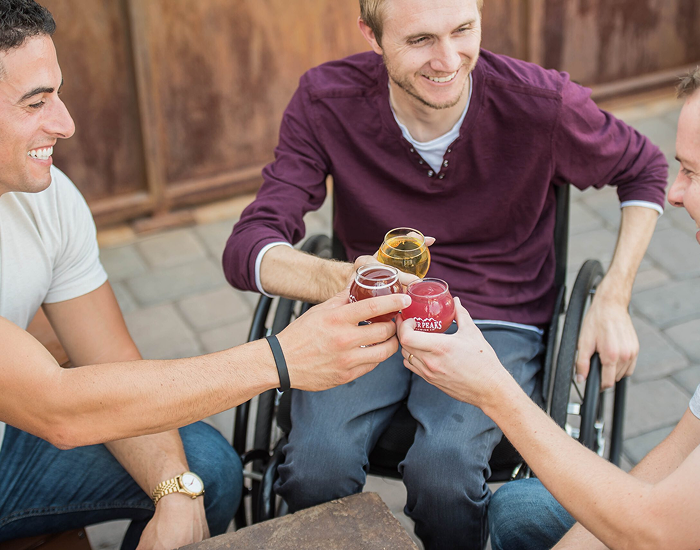
Our Community Access Sydney support is grounded in the environments participants already live in.
We don’t isolate activities into unfamiliar settings. Instead, we use:
- Local cafés
- Parks and public spaces
- Community centres
- Shopping areas
Whether someone is based in Western Sydney or closer to the inner suburbs, the goal is the same—build confidence in places they’ll actually return to.
Starting Without Pressure
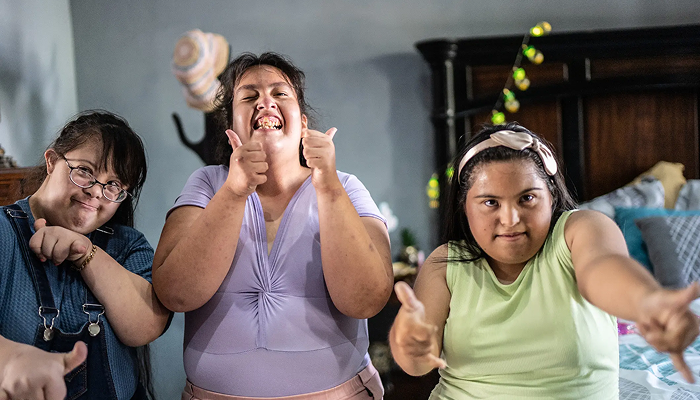
There’s no “starting point” you need to meet.
Some participants begin with:
- Short, low-pressure outings
- One-on-one support in quiet environments
- Observation before participation
Others are ready to explore more social settings straight away.
We adjust to the individual—not the other way around
Frequently Asked Questions
That’s completely fine. We don’t start with groups unless you’re comfortable. Many participants begin with one-on-one outings.
No. Community participation can include everyday situations like shopping, attending appointments, or visiting public spaces.
Yes. As confidence grows, we step back to encourage independence.
Yes, including areas like Parramatta, Blacktown, and Liverpool.
We adjust. Not every environment suits everyone, and that’s okay.
Yes. All support is tailored to individual NDIS plans and outcomes.
A Different Way to Think About Participation
Community participation isn’t about being busy or filling time. It’s about feeling like you can step into the world without hesitation.
If you’re considering NDIS Community Participation Sydney, it might help to ask a different question:
What situations feel hardest right now—and what would it take to make them easier?
If you’d like to explore that, our team at Pillars of Care is here to talk it through with you.


